Resolve is Fantastic

I have been pressing on with Rough Cut Version 3 and, by last Wednesday, I was about 60% through and aiming to wrap by Friday. With Rough Cut 3, I’ve hopefully managed to:

  • Choose the strongest shots and takes
  • Sort the audio by selecting the best recordings, splitting tracks by actor and getting rid of superfluous ones
  • Refine the edits with either L-cuts or J-cuts as appropriate

Everything was shot in log, and I’ve done virtually no colour grading. Well…… I say virtually. I discovered that Resolve has a project-wide auto-grade function that you can toggle on and off, so I’ve had that enabled to make things viewable whilst I’m editing. I’ll disable it before the final grading. I’ve also done some temporary grading on particular tricky shots, so they’re roughly watchable – again, all to be stripped back before the final grade.

The aim with Rough Cut 3 is simply to get each scene technically sound and flowing reasonably well. After that, I want to stitch the whole film together again – maybe adding a few transitional shots (perhaps buildings, etc) so I can watch it without being distracted by poor sound or clumsy edits. I want to see if the overall narrative arc genuinely works.

As I said, I was optimistic about finishing by Friday. Each scene seemed to need just a bit of tidying up. Ha!

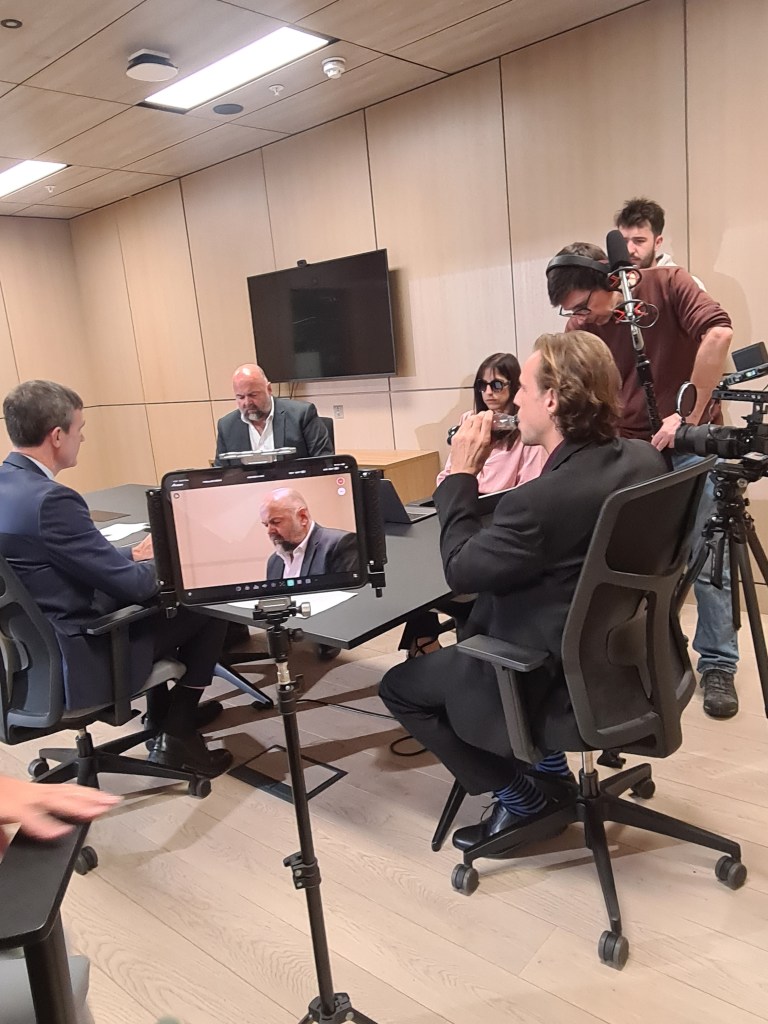
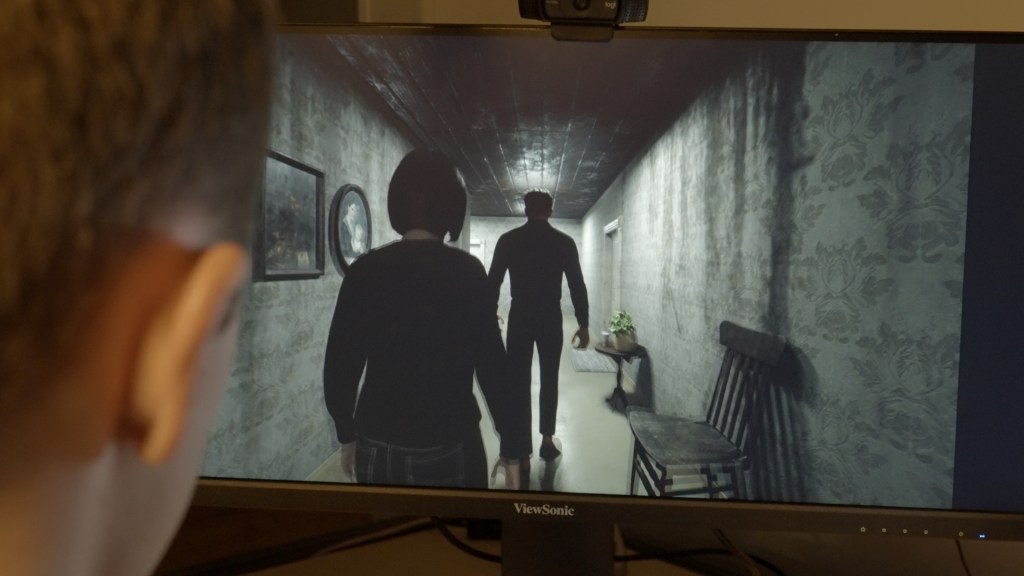
After doing all that, I tackled a scene in which two characters argue, receive phone calls, play a computer game and watch TV. Straightforward? Nah! Pretty soon, I realised I’d left the previous cut in a rather disjointed state. The scene needed a lot of work. There was a rogue film light in shot, continuity issues between takes, missing TV audio, and a need to blend sound from when the actors are physically in the room with when they’re on Zoom or on the phone – all within the same scene. I know, I know… but none of this is insurmountable. Better planning might have helped, but this is my first feature – there are some lessons you can’t learn in advance; sometimes you just have to “work the problem”.

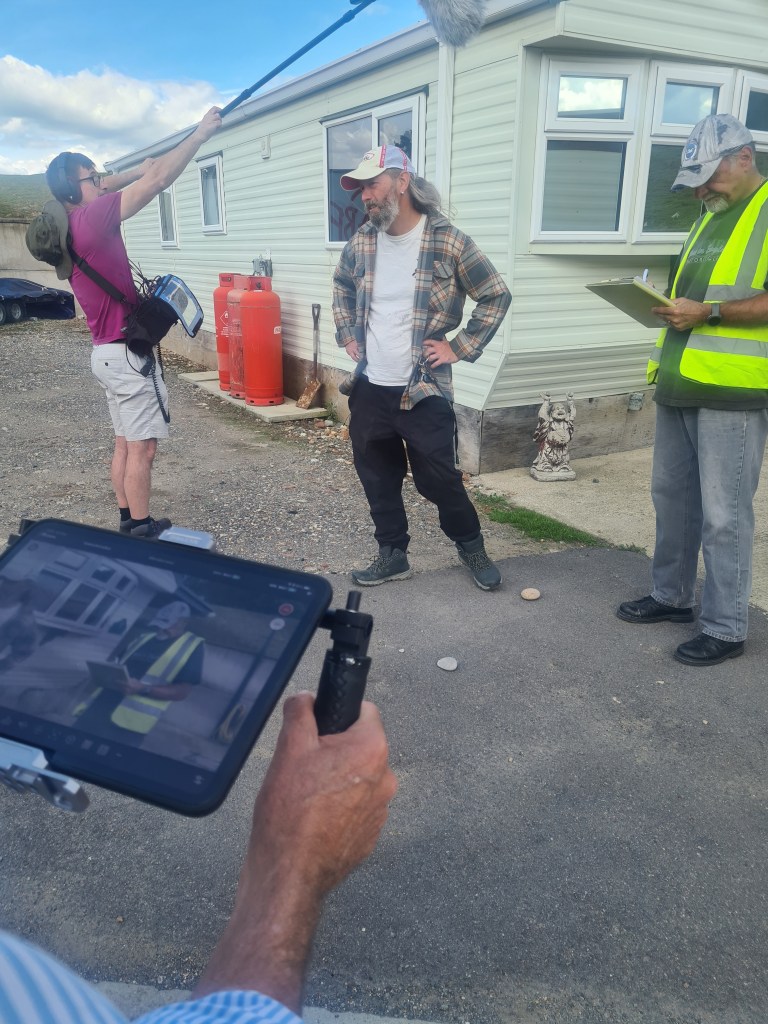
That said, I’m getting to know Davinci Resolve far better and it is amazingly good. I’d been worried about copyright issues because several scenes had visible logos in shot. I knew Resolve could help, but I hadn’t quite appreciated just how good it is. The Patch Replacement tool is superb – you can sample a patch of the frame and lay it over the logo. And it even tracks intelligently if an actor walks in front of the logo! Fuck knows how! Similarly, I also managed to paste out a boom mic by cloning background over it, and even remove two moving cars from a country road. Blimey!

Several scenes are dialogue-heavy, and it became rather time-consuming to decide which shot/take to use for a given line. Luckily, Resolve’s AI transcription feature allows you to select specific text and flip between corresponding takes instantly. Genuinely very impressive.

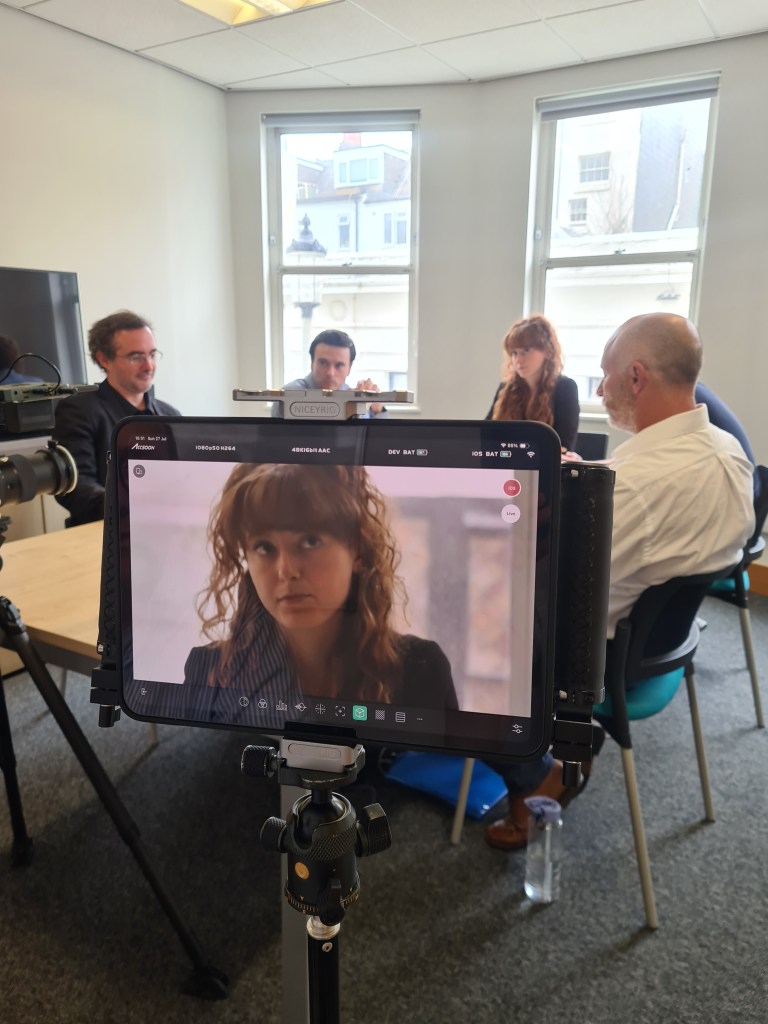
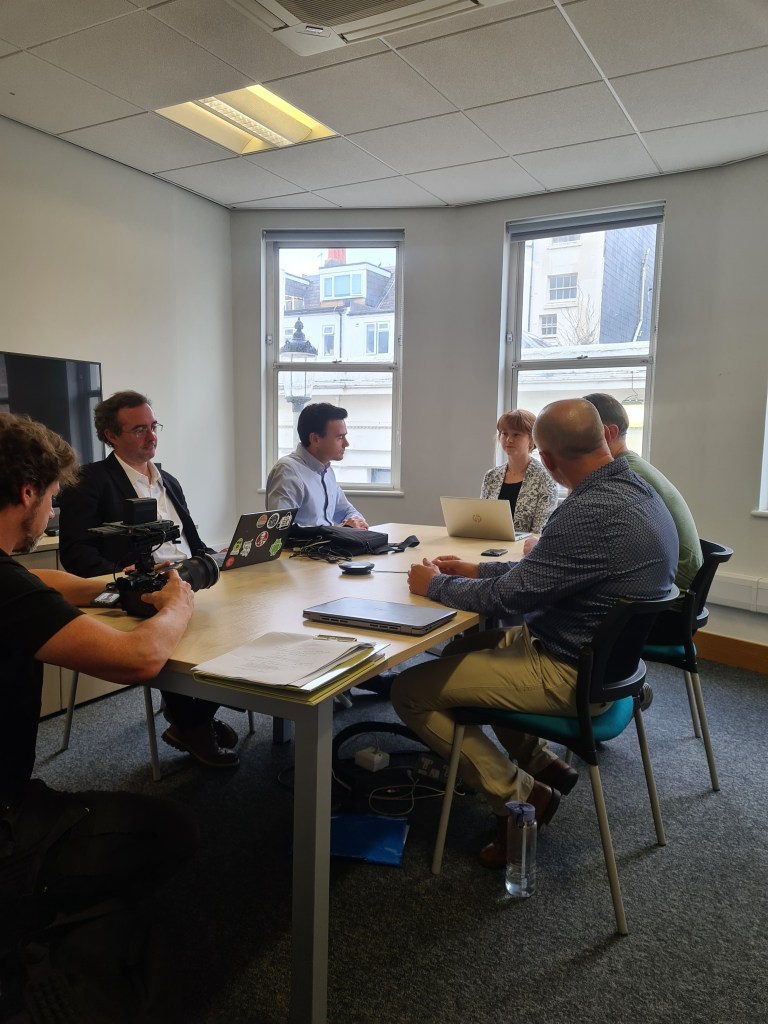
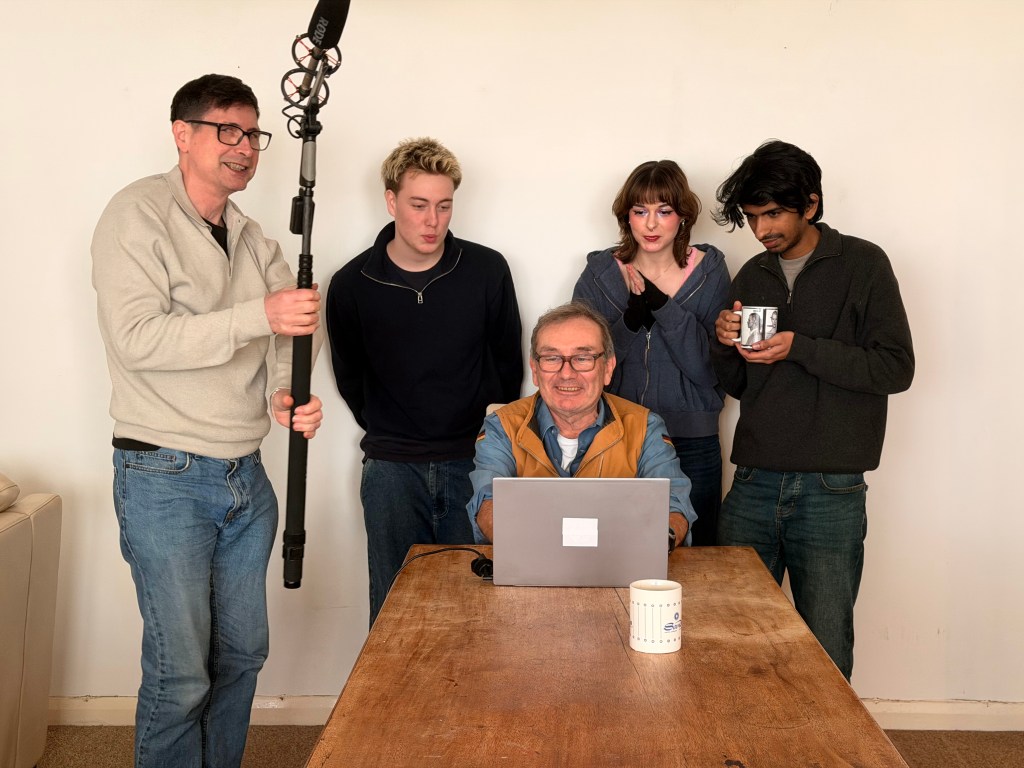
I’ve also found the Smooth Cut Transition very useful. I’ve been lucky with the cast – fantastic actors, excellent performances – but there are moments when lines are held just a little too long. In some cases, this was unavoidable for technical reasons. We had a scene with four actors in one room pretending to be in separate locations on Zoom. All were mic’ed up and instructed not to talk over each other to ensure clean audio. The downside was that pauses became rather exaggerated, made worse by Zoom’s unpredictable delay of up to a second.

“Jump cuts!” I hear you cry. Yes, yes, jump cuts – very in vogue and can be great when used deliberately. But I don’t want to be forced into using them. As the framing barely changed, I was able to tighten the pauses using Smooth Cut Transitions instead, which preserved the performances without drawing attention to the edit.

So, progress with editing has slowed as I’ve reached the more challenging scenes. But I keep chipping away at it.

Parking

More editing last week. On Monday, I sat and watched the second rough cut all the way through on the TV. I wanted to see what needed work. The rest of the week was spent tightening cuts and cleaning up audio, and by Friday, I was about 35% through the third draft. By the end of this, I am hoping the film will be technically sound. After that, I’ll need to turn my attention more fully to the narrative flow, which may mean cutting or moving scenes, or possibly shooting something new to bridge any gaps.

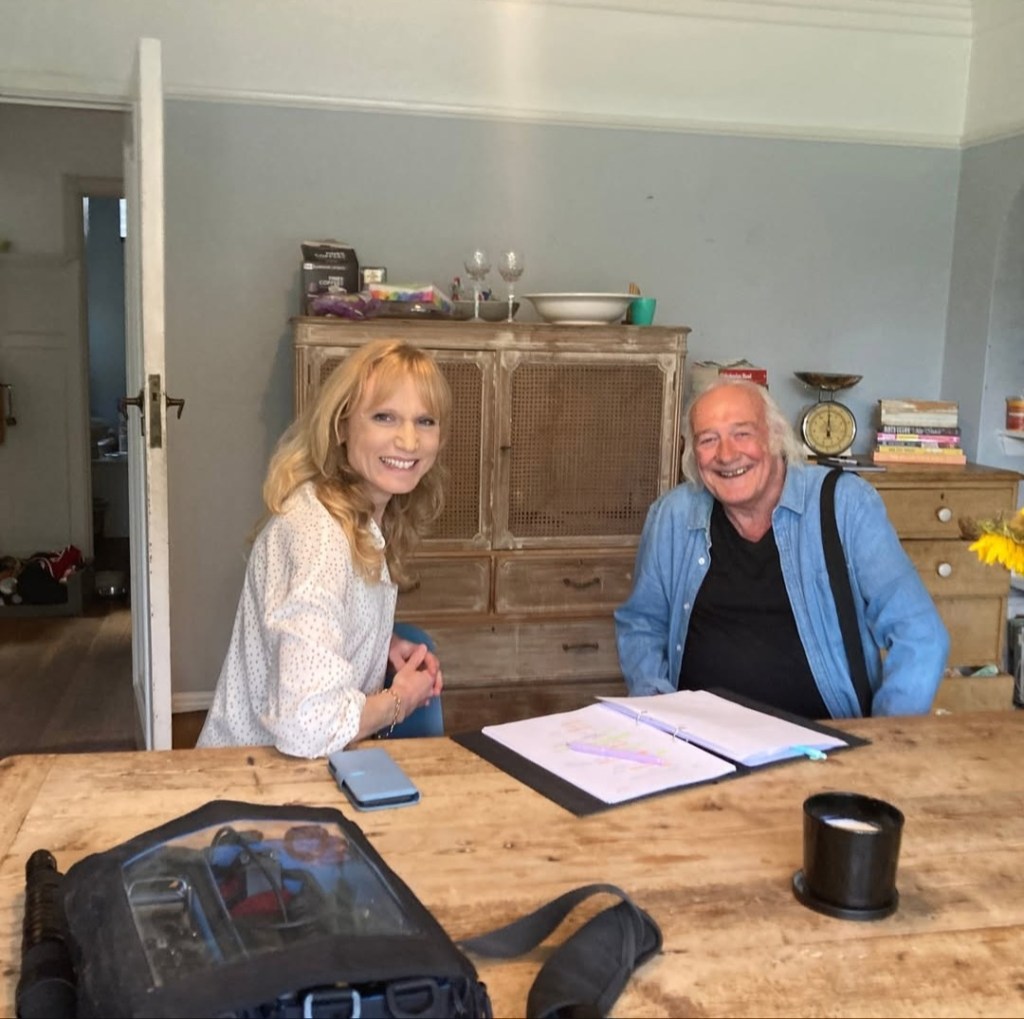
I’ve also been speaking with an intern about social media promotion, and we’re beginning to sketch out how that might look. I’m meeting a musician next week to talk about the score.

Automatic is about bureaucracy, and I find myself increasingly sensitive to episodes of dehumanisation. One occurred on Friday in the form of an automatically generated letter from a parking company demanding £100 for overstaying by two minutes in a car park in Chichester during the recent film event.

It’s worth noting that the parking company has access to my GDPR-protected personal information at DVLA – a privilege granted by the British government so that they can pursue people who break their rules. Fair enough, perhaps, in an age where efficiency is worshipped as some kind of God. But in return for that privilege, we might expect a measure of proportionality and respect. The parking fee was paid via an app; it would have been to charge me for the extra two minutes rather than demand a bullying, automated demand for £100.

In any case, I drafted a letter outlining their failings: poor signage, no mobile signal, limited payment options, a lack of meaningful support. Out of curiosity, I uploaded my letter to Google’s Gemini AI. It informed me that this particular car park is apparently notorious, then rewrote my letter removing the waffle and inserting reference to the relevant regulations where the operators appear to have fallen short.

This is interesting. One of my long-standing grievances about modern life is the way that a machine can, out of the blue, become judge, jury and executioner. Many people are not in a position to argue back coherently, and even if they are, busy lives make it tempting simply to pay up and move on.

Now, freely available AI puts the boot on the other foot. We can answer their computer-generated bullshit with computer-generated letters of our own that include all relevant regulations. A weird world where two computer systems fight over the fate of humanity.

Wrap Party

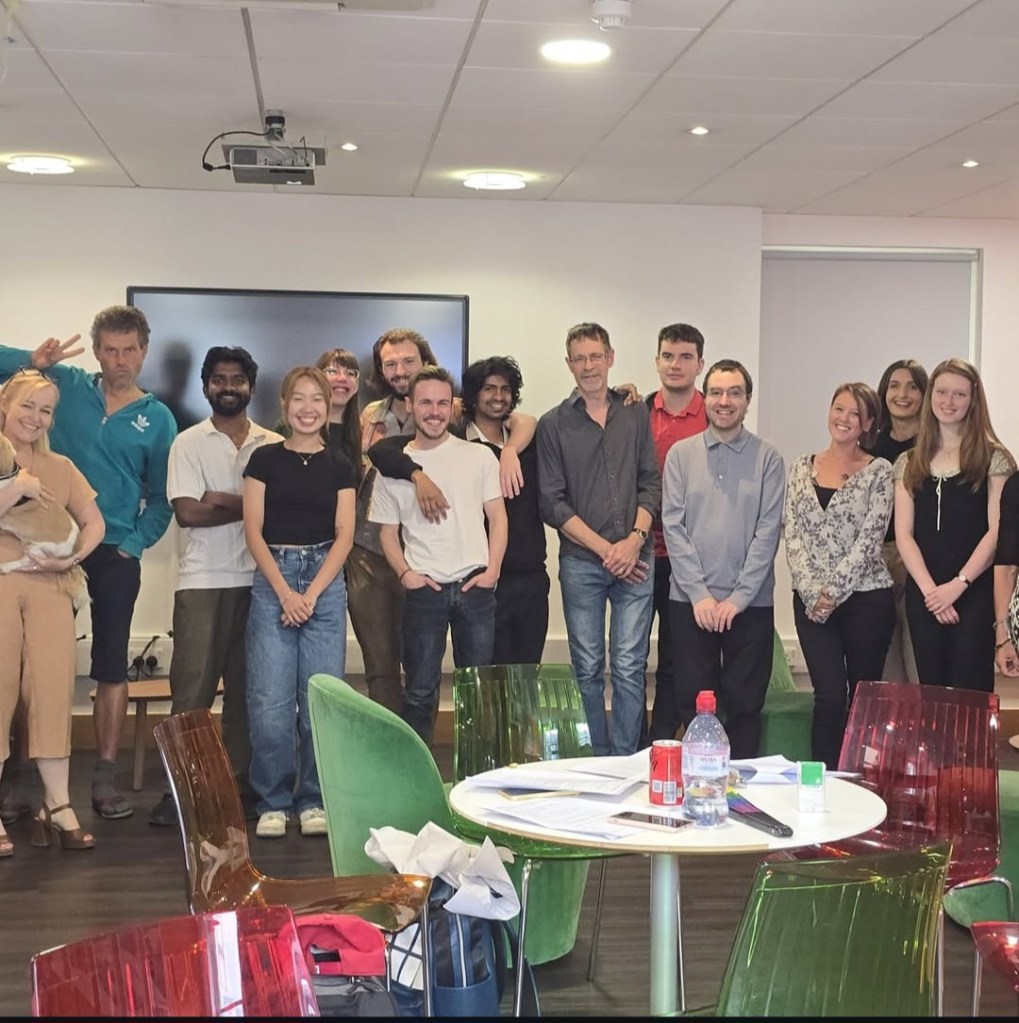
We had the Automatic wrap party last Saturday night at a pub in Brighton. Around 30 people turned up, including cast, crew and others who’d helped out on the film. It was a great chance to catch up after filming and talk about what we’d all been up to. Oddly, none of us seems to have taken any photos, which I’m choosing to attribute to everyone having such a good time that pictures simply didn’t occur to us.

Of course, having the wrap party doesn’t mean we’re all done and dusted. I’ve been working on the second draft of Automatic, choosing better shots and takes and tightening up the cuts. I’ve also allocated specific audio tracks for each actor, selecting the best audio and placing it on the correct track. I’m slightly torn between the technical side, trying to get everything right, and the more intuitive process of choosing which shot works best. So, my approach has been to work on the scene, improve it, but not perfect it, then move on to another. I’ve listed all the scenes in a spreadsheet along with the duration of the current version, which lets me calculate roughly how far through the edit I am. For this draft, I’m about 50% of the way through.

There are a couple of scenes which are fairly intense and I haven’t yet tackled those properly for draft 2. With the help of ChatGPT, I’m learning more about editing as I go, and my thinking is that what I learn working on the simpler scenes will benefit the more complex ones later on. I’m realising that there is much more to this editing lark than meets the eye.

For example, a J-cut is where the audio from the next scene starts before the video cuts to it, and an L-cut is where the audio from the current scene continues after the video has cut to the next. I have used these techniques to some extent and gave myself a pat on the head for being so creative. However, last week, while editing, I asked ChatGPT about this technique, and I’ve now discovered that it’s actually fairly standard practice, and that J-cuts in particular feel more natural and draw the viewer in. Suddenly, it dawned on me that this is probably the norm for most edits, and that cutting of audio and video at exactly the same point might actually seem quite clunky.

It did cross my mind to hire a professional editor who would already know all this stuff. But then I might also have hired a professional producer and a professional director. In fact, I could simply have bought some shares in Warner Brothers and gone down the pub. But I wanted to direct, and I wanted to edit – so here I am.

Last week, while editing, I realised I needed phone ringtones. I can’t use standard ones because they’re covered by copyright. I hunted around online and found a few possibilities, but I really need to stay focused on editing. So I put a call out on Facebook, and two friends came back to me. One guy I’ve known for years is a whiz with synthesisers, and he’s generated some ominous and irritating buzzing noises. Another is the son of an old sailing friend who’s just completed a degree in Film, TV and Digital Production at Royal Holloway University. He’s going to get me some tones for phones and computers.

There is also some specific music I’d love to use in the film. Although I doubted I’d be able to afford the copyright fees, I reasoned nothing ventured, nothing gained, so I contacted one of the bands and was pleasantly surprised when they replied, saying they are considering the idea. I’ve also contacted a local musician about other music, and we’re currently in discussion. I still need to finalise the voice-over for a presentation which appears in the film. I’ve got a couple of options, both of which are promising, but I need to get that scene edited so I can try out the audio properly.

As mentioned in a separate post, Chichester Film Makers have asked me to talk about Automatic and screen a short excerpt at their Winter Event on Saturday, 31st January 2026. Today, I’ve been working on a teaser trailer for that.

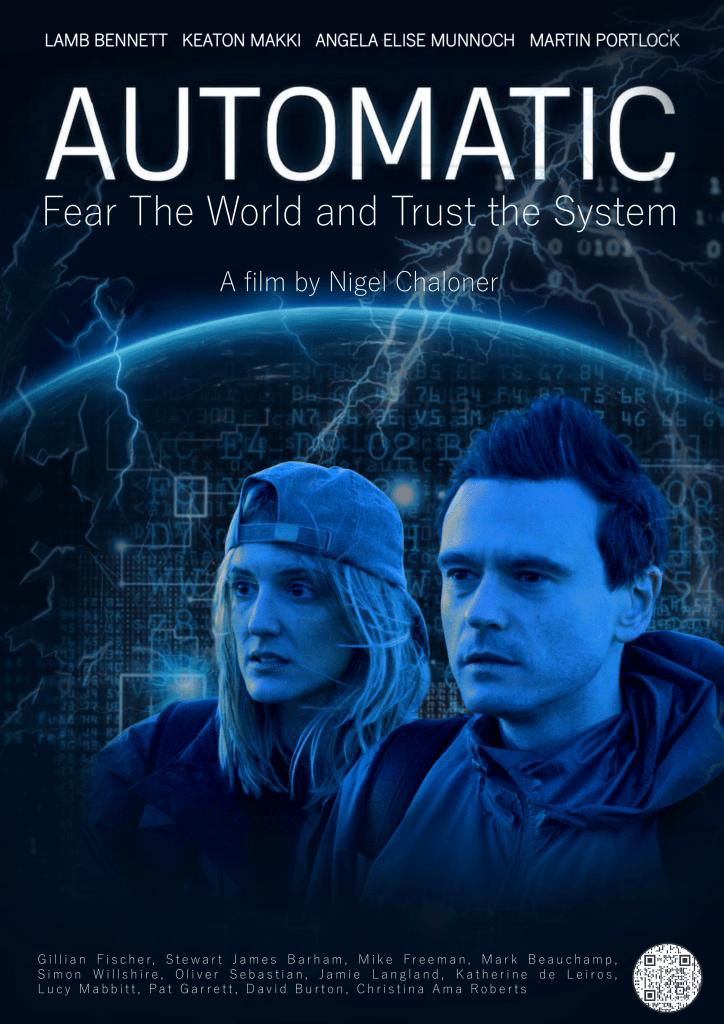
Tom and Julie are back from gallivanting around the Far East. Tom has completed a new version of the poster, and Julie managed to get my Chichester talk listed on the Sussex World website. Many thanks to both of them.

Last but not least, I’ve agreed an internship with a student at Valencia College in Orlando, Florida. He’ll be starting very soon and will be working on social media promotion.

At the moment, I’m aiming to get Automatic into the Brighton Rocks Film Festival by the closing date of 21st April 2026.

The End of the Beginning

As I mentioned before, we had three shooting days last week. A quick scene with the truck, followed by two mega scenes in a flat in Sussex Heights, which involved some complex dialogue and a great deal of shouting. Amazingly, Lamb, Keaton and Angela all seemed completely confident with their lines.

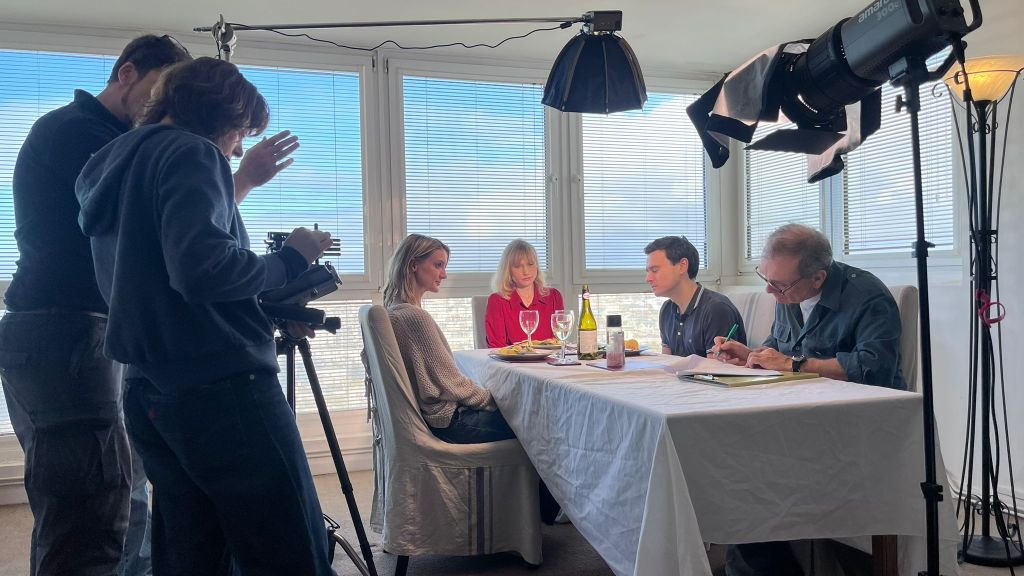
There were, of course, a few challenges. One scene was a dinner party, which meant I had to concoct a meal and sort out the wine. I’d specifically asked the guy in the shop for clear apple juice, but somehow ended up with cloudy. So, late the night before, I was tearing around various petrol stations hunting for anything transparent and apple-related. I’d originally suggested Spaghetti Bolognese for the meal, but as Angela pointed out, this might lead to……complications such as rebellious strands of spaghetti during filming or enthusiastic slurping and sauce splattering over the actors’ clothes. She suggested chicken, potatoes and beans instead, so five minutes before “Action” saw me frantically shoving plates into a microwave. The dinner party scene went surprisingly well, and I was genuinely impressed with the actors’ performances.

The next day was the big argument scene, and the issue there was that I wanted plenty of movement. The trouble is, once you introduce movement, continuity becomes a bit of a nightmare. In the business, this choreography is known as “blocking”, and I probably should have given it rather more thought. Still, we had time on our side, and after a few takes, Angela and Keaton settled into a reliable pattern. We also shot a few quick Zoom call scenes, and Nicky Patching kindly stepped in as a delivery driver. Thanks, Nicky.

Our final scene was filmed around sunset, which, of course, comes with it’s own lighting headaches – everything changes so quickly that each take looks slightly different. But, with some clever improvisation from Morgan and plenty of perseverance from everyone else, we got what we needed.

That’s it now, other than a very small corridor scene I still need to do with Angela. We may still need to pick up the odd extra bit later, though I won’t know that until I’m further into the edit. So, I guess this is the moment when I’m supposed to say “It’s a wrap”.

I did very little for the rest of the week. It was SO nice not to have that bloody shooting schedule hanging over me. We will have a wrap party, but I think it’s best to leave it until January – everyone’s far too busy in the run-up to Christmas.

I’m extremely grateful to everyone who made this possible. It’s been hard work, but tremendous fun! Thanks to all the actors and everyone who helped with the locations, including Mark Tournoff & Gosia Stewart for allowing us to film in Manchester Street and Nicky Patching for letting us use her house in Seaford. Thanks also to George Prince, who supplied the truck and allowed us to film in his yards. And to Tom & Julie, who helped with social media, graphic design for the posters and general organisation. Thanks to Andrew Cawdery, our tech support and transport guy, who made everything so much easier. Obviously, thanks to Morgan Andrews, the DOP and his legion of extremely capable assistants, Adam Price and Alistair Lock on sound, and the many supporting artists who brought the call centre to life, and anyone else who helped us out. Special thanks to Angela Munnoch, who’s been with me from the start and has been invaluable as AD, wardrobe, script supervisor and general moral support.

I now face the tasks of editing, music, marketing and distribution – another steep learning curve, and I expect it will take several months. I may not blog quite as often for a while, and if I do, it will probably be fairly esoteric stuff about editing and Davinci Resolve.

To misquote Churchill: “This is not the end, nor is it the beginning of the end…. etc”

Serendipity and Chanctonbury Ring

We had shoot days scheduled for 23rd, 24th and 25th November so last week was a flurry of preparation. On Monday, we held a Zoom rehearsal for our final scenes with Angela, Keaton and Lamb, and it all went surprisingly well. Two of the scenes involve fairly complex dialogue, but all the actors were on form and knew their lines.

We’d planned a truck shoot for Sunday 23rd, and I’d assumed it would be straightforward enough for me to handle both camera and sound, with minimal preparation. Naturally, the week quickly descended into the usual scramble with me scurrying around repairing cables and hunting for Allen keys to fix the tripod. The final truck scene required four actors travelling in from as far as Stamford, so we arranged for Lamb to come down the night before, and we’d pick up Simon at Redhill. Rail cancellations meant that by Saturday night, Lamb had only reached Leicester, which, to my mind, meant she was actually getting further away from Brighton. She decided to press on to London and stay with a friend, so on Sunday, we ended up picking them both up from Redhill.

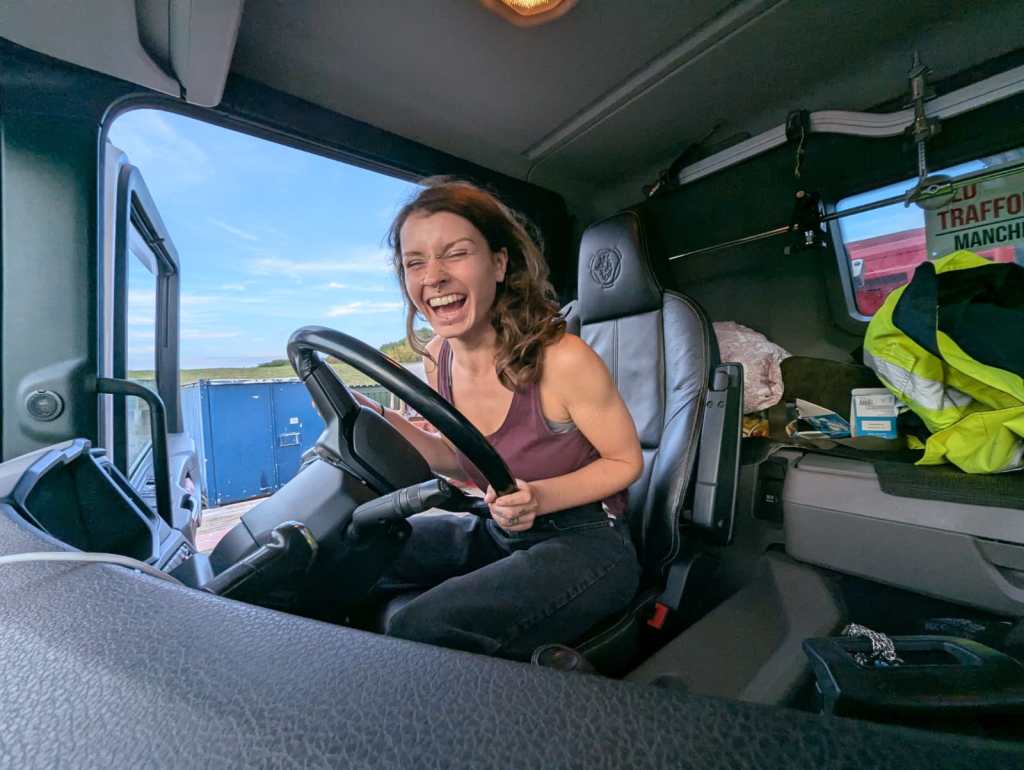
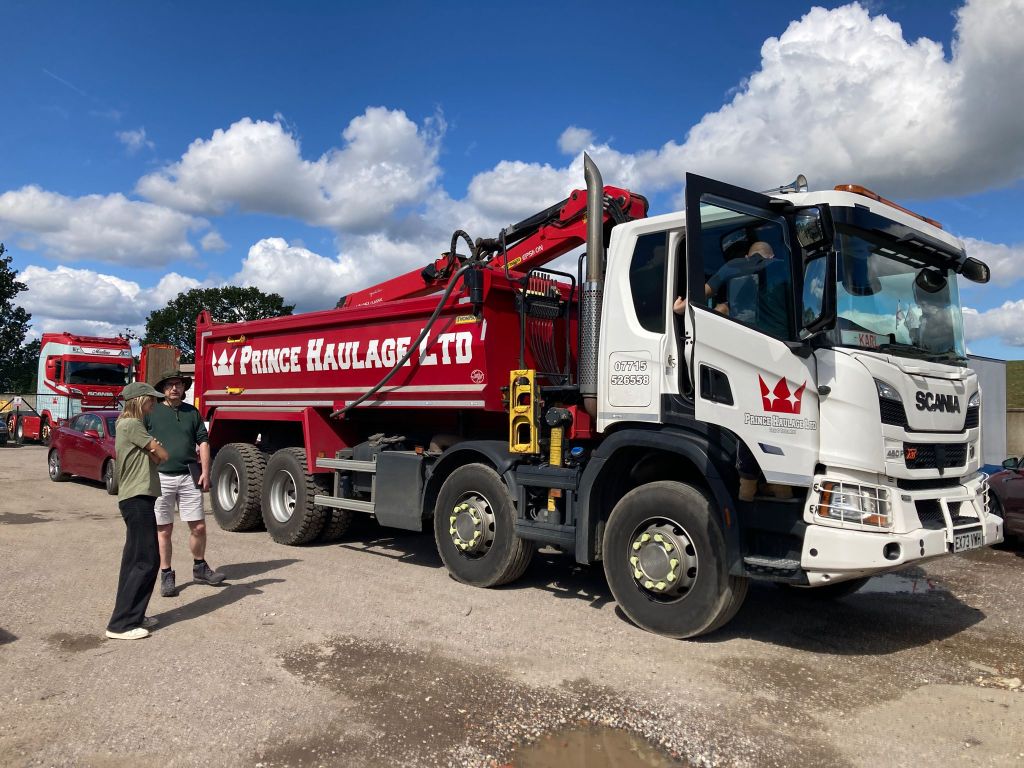
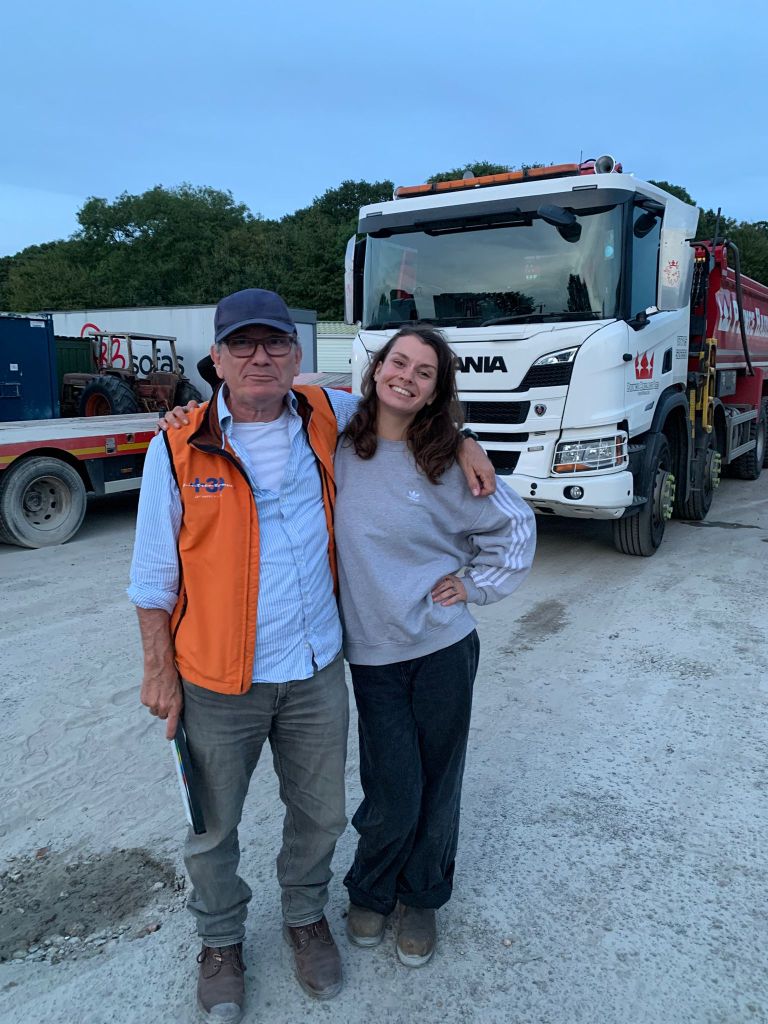
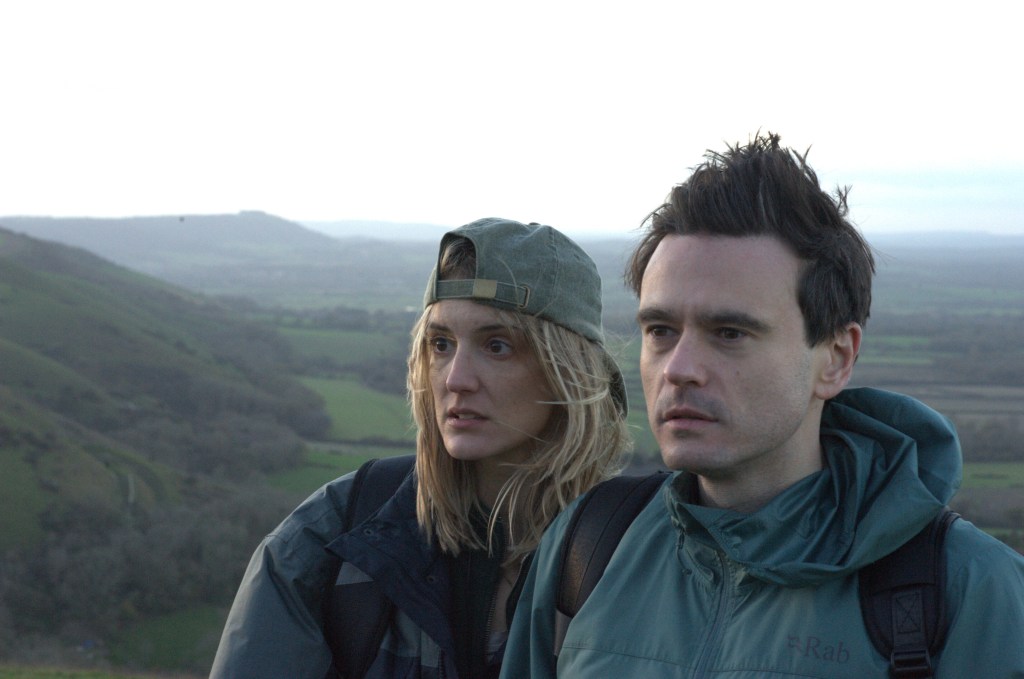
Huge thanks to George Prince, who kindly let us film at his yard near Reigate and provided the truck. We captured some great shots, with excellent improvisation from Simon and Oliver. The last task of the day was to get some decent promotional stills of Lamb and Keaton, ideally echoing the feel of the South Downs scenes. We left Reigate about 3pm with the sun already slipping low. By 3:45pm we were up at Devils Dyke and, unlike our earlier South Downs shoot when it was warm and balmy, it was now November, windy and bitterly cold. We did virtually no planning and just shot what we could. As I snapped away, I realised Chanctonbury Ring was right there in the background, a recurring theme throughout the film. Serendipity strikes again.

Back in Brighton, we had a quick snooze before heading back out to the flat we’d booked for Monday’s shoot to dress the set.

The Monday scenes involved three people eating dinner and drinking wine – always a continuity nightmare. The day went well, and I’d like to write more, but I’ve got to prep for Tuesday. So, maybe I’ll share more about it next week.

Tomorrow is our final scheduled shoot day and, fittingly it’s the big scene. Watch this space next week to see how it all unfolds.

The Final Stretch

We had another shoot last Tuesday. We met around 3pm and loaded up Andrew’s car with me, the sound guy, the camera guy and an actor. Then Andrew drove us around Brighton, dropping us off so we could film for a while, and picking us up when we called to move to the next location. The plan was to get walking and running shots in both daylight and at night.

One trend I’ve noticed in modern Britain is the privatisation of public space. You see it in places like shopping centres, and the downside is that the owners can impose rules that prevent filming. Actually, that might be understandable in a shopping centre, but these days it’s often spaces that feel like any other public area. We started filming in one such place when a bureaucrat approached us. We explained that the filming was innocuous, but, of course, she claimed it was out of her control – it was “policy”. This is interesting because it ties into the theme of Automatic – trivial decisions dictated by pen pushers in offices thousands of miles away, and the person supposedly in charge on-site has no real autonomy. 

We packed up and moved to another location. It gets dark early at this time of year, so most of what we shot was at night. At around 6:30pm, we headed to Hove to meet up with Jamie Langlands for a scene. We’d got about 80% of it done, when a shop’s burglar alarm went off, so we had to stop. We hung around for about 20 minutes, and I was just about to go ahead and shoot anyway, hoping we could fix the sound later or do ADR, when the alarm finally stopped.

After that, we piled back into the car and drove to Lewes Road to get a few more shots. Looking through the footage later in the week, those shots look very strong and should add some real drama and excitement to the film.

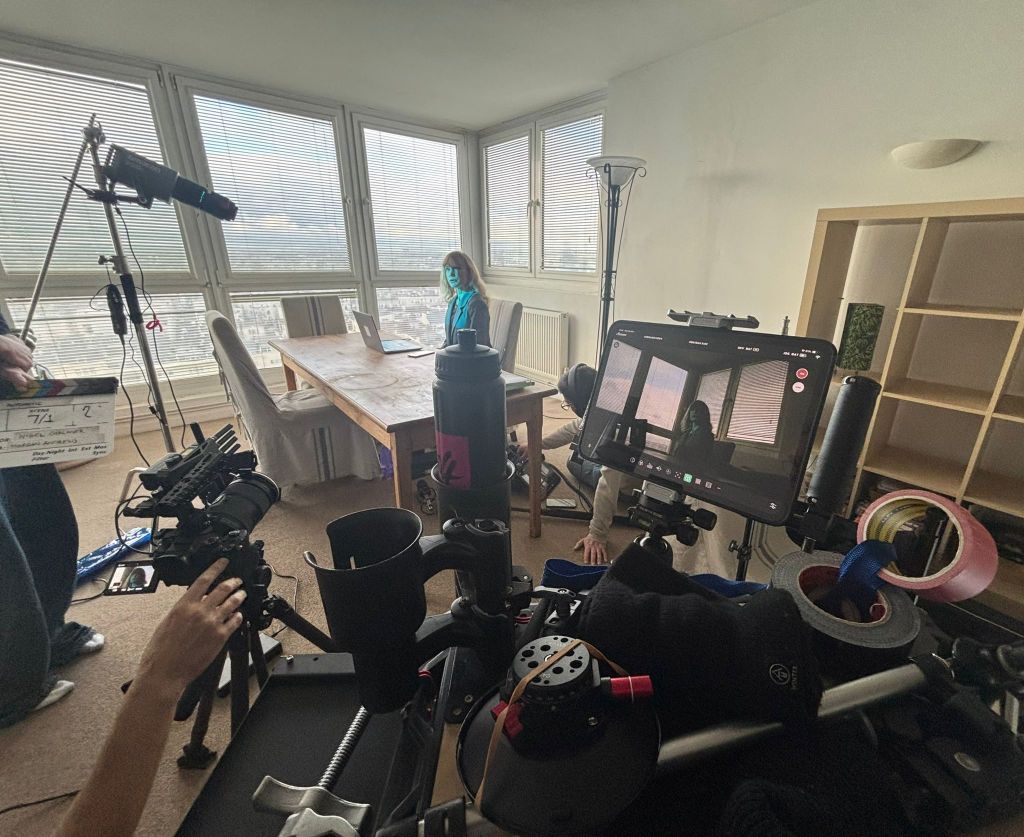
On Wednesday evening, I spoke with Angela, who plays Esther, and we decided where we’d shoot a couple of scenes in Esther’s flat. I’ve found a pretty good location with a stunning view over the city. I’ve also contacted the truck owner and scheduled a brief shot in the truck yard.

We now have three more days scheduled for 23rd, 24th and 25th November, which should wrap the “principal photography”. Phew. We started at the end of June, so it’s been five months of shooting. That’s two months longer than I’d planned, but we’re nearly there, and I’ve learned a huge amount along the way.

Location, Location, Location

Quick update this week. Last week, I was chasing locations and had a brilliant flat lined up for two of the remaining big scenes we need to shoot, but communicating with the owner has been tricky. After a few rounds of back-and-forth, I wouldn’t say I’ve given up entirely, but I have started looking for alternatives. I posted ads on several Brighton Facebook groups and received five responses. Thanks to everyone who got back to me. I’ve since visited one of the flats and it looks very promising. If all goes to plan we should be shooting the final big scenes toward the end of November.

I’ve also been working on finding street locations. I had some ideas in mind and after spending a few days wandering the streets of Brighton, I found what I was looking for – soulless blocks and sinister backstreets around New England Street. Wikipedia tells us we have the “Urban and Economic Development Group” to thank for the master plan. I imagine they, along with Brighton Council, thought that a quirky, independent-minded city like Brighton, steeped in beautiful Regency architecture, needed acres and acres of faceless concrete and glass just to piss everyone off. Well, their plan backfired, because it’s perfect for us, and we’re filming the street scenes on Tuesday 11th November.

Meanwhile, I continued working on media prep (labelling and syncing video and audio) and have also been chatting with Chichester Filmmakers about giving a talk on the making of Automatic at their January bash. More details on that soon, so watch this space.

Saturday night found me lost in a rabbit hole of random YouTube videos, where I stumbled across an old interview with Aldous Huxley. I’d seen it before, but watched it again, and it feels very pertinent today. He asked the question: “In an age of accelerating over-population, of accelerating over-organisation and ever more efficient means of mass communication, how can we preserve the integrity and reassert the value of the human individual?” And that was in 1958. How indeed!

House & Garden

After a long, tiring day filming in the office on Sunday, we kicked off last week on Monday by prepping a house in Seaford. Angela, Nicky and I spent hours arranging furniture and props, getting everything ready for the shoot on Tuesday. We’d noticed that the garden looked stunning in the morning light, so we were hopeful for some great shots outside.

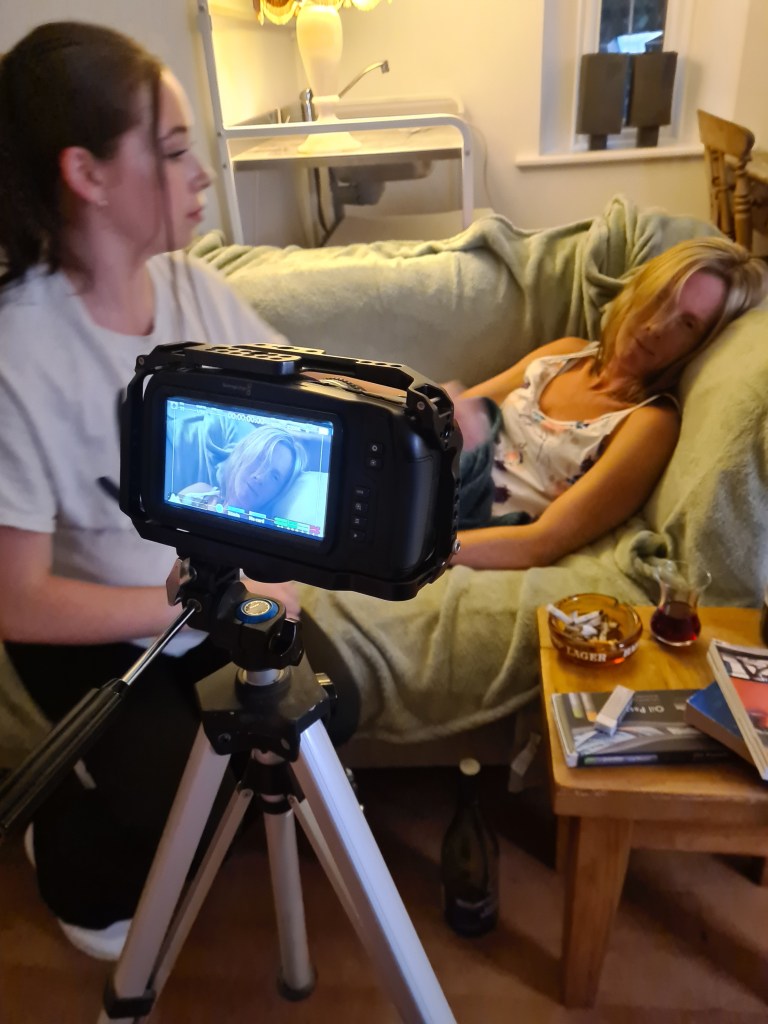
When we arrived on Tuesday it was raining, so we began with the interior scenes featuring Pat Garret and Angela Elise Munnoch. This was the first time both actors appeared in the film, although Angela has been working as the Assistant Director on most of the previous scenes. We certainly missed her AD skills, but both she and Pat gave really strong performances.

After Sunday’s office scenes, I’d assumed the house shoot would be a bit more relaxed and straightforward, especially with only three actors. How wrong was I? Lighting and framing the shots inside the house took far longer, maybe because we were aiming for more emotional depth. By 2pm we were still filming, so we broke for lunch before continuing with the interior scenes.

David Burton had been waiting patiently all day for his debut, but by 5pm we still hadn’t wrapped the interior scenes. So, I made the call to reschedule the garden scenes for another day. We finished up by capturing some nice B-roll of Pat and David strolling through the garden. Angela and I then prepped for a flashback scene with Isabella and Stephanie, both of whom gave excellent performances.

The rest of the week was mostly admin – scheduling and tinkering with Davinci Resolve 20 on my new editing PC. The old Apple screen I’d been using with my previous setup proved to be a bit antiquated, so I ordered a new 34-inch ultra-wide screen. Wow! What a difference! I was a bit concerned about the sound in some scenes, especially the one near Shoreham Port, where the noise from the ships was very noticeable. Plus, we’d been getting a strange crackling from the radio mics on some office recordings. I’ve had some success reducing background noise already, but the port recordings were still truly appalling… until I noticed a new button named “AI voice isolation”. Blimey! It’s like magic!

I also had a play with with colour grading and grabbed a few stills for promotional material. It’s all looking really promising.

Our next shoot is Friday, back at the house, and we’ve got a few days lined up in a flat in Brighton in a couple of weeks time. And we’re also very close to finalising our new Morgan character.